
A veteran named Drew was a door-gunner in Vietnam. He served for two years before taking his place in one of the most dangerous positions in the army at the time. He replaced the previous gunner who had been killed earlier that day. His helicopter was shot down, and he lost both of his legs in addition to many of the bones in his fingers. Drew returned to a hostile America that blamed him and his brothers-in-arms for the war they had fought. But the true betrayal came when Veterans Assistance rated him 10% disabled. According to Drew, he “split the sheets with the VA in the 70s.” Drew was not alone. Warfighters came home to an ungrateful people and an ambivalent government. Drew now gets his medical care from Medicare and personal friends. Some of his friends bought him a truck outfitted to accommodate his disabilities. Veterans across the country are depending on care from the VA, but that is not coming.
In my time in the military, I have met numerous soldiers who have never seen combat and have 100% VA ratings. I have come across many soldiers injured in the line of duty who had low ratings and poor access to care. Many of them rely on private insurance. For many soldiers returning to civilian life, the battle may just be beginning.
I attended basic training in Fort Sill, Oklahoma, in 2022. Many of my drill sergeants were combat vets from the Afghanistan War, a conflict that ended earlier that year. My drill sergeants were young soldiers, many young parents in their twenties. But they carried heavy burdens. My senior Drill sergeant was also named Drew. He was a 28-year-old father of a 1-year-old son. A few times, he mentioned that behavioral health appointments were hard to come by. He said he had waited months for appointments behind new soldiers who had joined recently. He claimed they were using the time slots to get out of training. He often displayed signs of PTSD but would brush them aside with a joke. Drew was not alone. I have met many combat veterans who have untreated PTSD. When we returned from holiday leave, he had taken his life.
The actual suicide statistics among veterans are hard to measure. But according to an analyst at 21 News, “the veteran suicide rate has grown annually at more than double the percentage of the civilian rate”. And within the armed forces, suicide is the leading cause of death for servicemembers.
These glaring shortcomings fall squarely on the shoulders of the institutions responsible for the care of our warriors. For service members, the Military Health System fails to provide timely care. For veterans, the VA fails to do the same. The MHS and VA owe it to the veterans and servicemembers who have seen combat to prioritize their care. Although all soldiers need care in one form or another, many combat vets are sidelined in the scramble for limited resources.
Having spoken to veterans who have experienced combat, many of them are ashamed to ask for help. Many have a mindset of conserving resources for others who may need them more, some reject help because of social stigmas, and others cite long wait times or complicated paperwork. But none of these excuse the systems that neglect their needs. It is the responsibility of the MHS and VA to seek out this population and ensure their care. Veterans take care of veterans, so by taking care of one veteran, you may open doors to reach others.
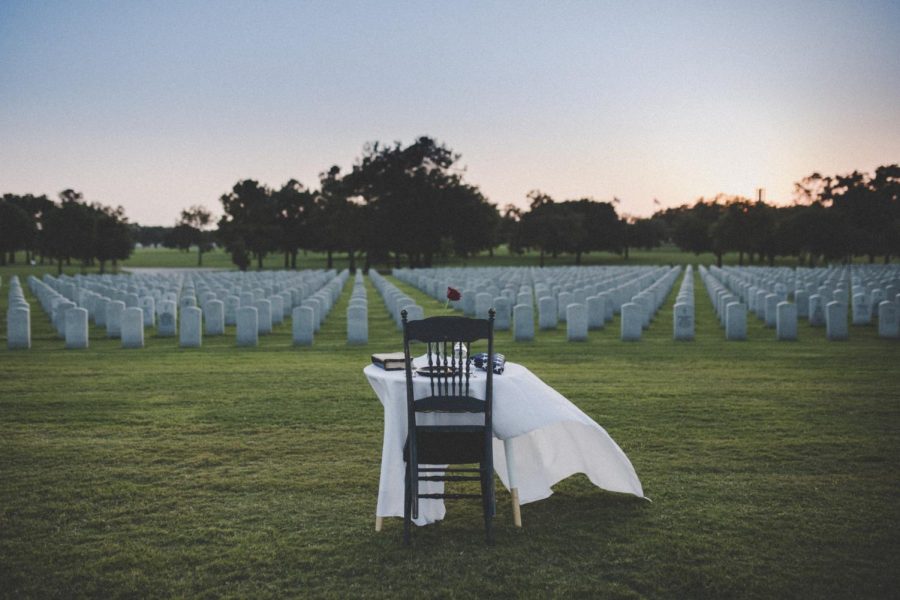
In a time when resources are poorly managed and veterans vie for spots in broken systems, the population to whom we owe the greatest debt is often overlooked. To the veterans who risked their lives and whose lives were changed by war, we owe the utmost respect, diligence, and care. Every day, we lose heroes to battles that ended years ago. The MHS and the VA fail to safeguard the denizens of history’s most dire lessons, and everyone will pay the price.